
 EN
EN
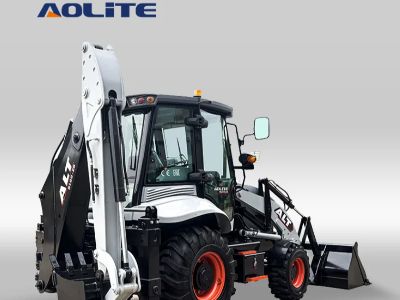
Diesel backhoe loaders represent a critical asset in the construction industry, renowned for their high breakout force and capability to operate in extreme working conditions. As B2B buyers, especially purchasing managers and project engineers, it's essential to weigh factors such as durability, efficiency, and application suitability when selecting the right backhoe loader for your projects. This article will guide you through how to choose diesel backhoe loaders, key specifications to consider, common challenges, and application scenarios that maximize their utility.
How to Choose Diesel Backhoe Loaders for Your Next Project?
Selecting the right diesel backhoe loader involves understanding your specific project requirements. Start by assessing the nature of the tasks you'll be performing. If your project involves heavy lifting or digging in challenging terrains, focus on models with higher breakout force and robust hydraulic systems. Additionally, consider the machine's size and maneuverability for your worksite.
It's advisable to evaluate the loader's overall design, including the comfort of the operator's cabin and the ease of maintenance access. A well-designed machine not only improves productivity but also reduces downtime. Be sure to inquire about customization options, which can tailor the loader to your specific needs, such as attachments for various applications or enhancements to the hydraulic system for increased power.
Key Specifications of Diesel Backhoe Loaders for Buyers
When considering diesel backhoe loaders, key specifications play a vital role in performance and applicability. Here are several critical specifications to evaluate:
Engine Power: Measured in horsepower, this determines the loader's ability to perform demanding tasks. A higher horsepower can translate to better performance in tough conditions.
Hydraulic System: The hydraulic flow rate and pressure impact the loader's breakout force and lifting capabilities. Look for models with high pressure and efficient hydraulic systems for optimal performance.
Operating Weight: Heavier machines typically offer better stability and breakout force, but they also require careful consideration of site conditions.
Dig Depth: This specification indicates how deep the loader can dig, which is crucial for tasks like trenching or foundation work.
Loader Bucket Capacity: Depending on the project, you may require different bucket sizes. Assess the capacity to ensure that it aligns with your loading and material handling needs.
Dimensions: Evaluate the machine's overall dimensions for compatibility with your site layout, especially in confined spaces.
Understanding these specifications will help you make an informed decision that aligns with your operational requirements.
What to Look For?
Beyond technical specifications, there are additional factors to consider when selecting diesel backhoe loaders:
Build Quality: Examine the materials used in construction. High-grade steel and durable components can significantly extend the lifespan of the equipment.
Warranty and Service Support: A robust warranty reflects the manufacturer's confidence in their product. Ensure that the manufacturer provides adequate service support, including availability of parts and skilled technicians.
Fuel Efficiency: With rising fuel costs, choosing a fuel-efficient model can lead to significant savings over time. Look for backhoe wheel loader with advanced engine technologies that optimize fuel consumption without sacrificing power.
Operator Comfort: Features such as adjustable seats, climate control, and intuitive controls can enhance operator productivity and reduce fatigue during long working hours.
Brand Reputation: Research manufacturers with a proven track record in the industry. Reliable brands often have established quality control processes and robust customer support.
Common Problems with Diesel Backhoe Loaders and Their Solutions
While diesel backhoe loaders are designed for tough conditions, they can encounter common issues. Being aware of these problems can help you mitigate risks:
Hydraulic Leakages: These can occur due to wear and tear or poor maintenance. Regular inspections and timely replacement of seals and hoses can prevent this issue.
Engine Overheating: This may result from inadequate cooling or blockage in the cooling system. Ensure regular maintenance checks and clear any obstructions.
Poor Performance: Often linked to fuel quality or air filter issues. Using high-quality fuel and maintaining air filters can enhance performance.
Electrical Failures: Electrical issues can stem from corroded connections or failing components. Regular electrical system inspections can minimize downtime.
By addressing these common problems early and maintaining the equipment properly, you can ensure reliable operation and longevity of your diesel backhoe loaders.
Application Scenarios for Diesel Backhoe Loaders in Construction
Diesel backhoe loaders are versatile machines that excel in various construction applications. Here are several scenarios where they prove indispensable:
Excavation: Ideal for digging foundations, trenches, and utility installations. Their high breakout force allows for efficient material removal even in tough soil conditions.
Material Handling: With various attachment options, these loaders can handle tasks like lifting, moving, and placing heavy materials on construction sites.
Road Construction: They are effective in grading, backfilling, and compacting materials on road projects, ensuring a smooth and durable surface.
Landscaping: In landscaping projects, backhoe loaders can be used for digging ponds, planting trees, and moving soil, making them essential for both large and small-scale applications.
Demolition: Equipped with the right attachments, backhoe loaders can assist in demolition tasks by breaking down structures and clearing debris.
Understanding the capabilities and specifications of diesel backhoe loaders allows buyers to make informed purchasing decisions tailored to their project needs. By focusing on key specifications, potential issues, and application scenarios, you can optimize your investment in heavy machinery, ensuring that your construction projects run smoothly and efficiently.