
 EN
EN
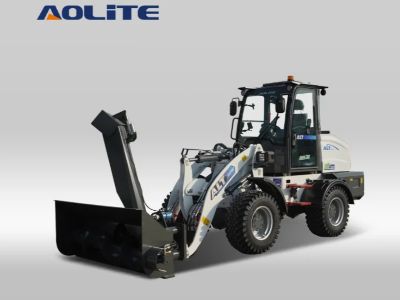
Maximizing breakout force is crucial for efficient bulk material handling, and diesel wheel loaders are instrumental in achieving this goal. These robust machines are designed to lift, carry, and transport heavy materials, making them essential for construction, mining, and industrial applications. This article aims to provide B2B buyers, including purchasing managers and engineers, with detailed insights into diesel chinese wheel loaders for sale, focusing on their specifications, selection criteria, features, applications, and common challenges.
Key Specifications of Diesel Wheel Loaders
When evaluating diesel wheel loaders for bulk material handling, several key specifications should be considered. These include:
Engine Power: Measured in horsepower, engine power directly affects the loader's breakout force and lifting capability. Higher horsepower typically results in better performance, especially when handling heavier loads.
Operating Weight: This refers to the total weight of the loader, which influences stability and lifting capacity. A heavier machine can offer better traction but may be less maneuverable in tight spaces.
Bucket Capacity: This is the volume of material the bucket can hold, usually expressed in cubic meters. Selecting the appropriate bucket size is essential for maximizing productivity and minimizing the number of trips required to transport materials.
Breakout Force: This specification indicates the loader's ability to dig into and lift heavy materials. It is a critical factor in determining the machine's efficiency in bulk material handling.
Lift Height: The maximum height to which the loader can lift its bucket is crucial for loading trucks or stacking materials. Buyers should ensure that the lift height meets the requirements of their specific applications.
Understanding these specifications will help buyers select the right diesel wheel loader that aligns with their operational needs and material handling requirements.
How to Choose the Right Diesel Wheel Loader for Bulk Material Handling
Selecting the right diesel wheel loader involves several considerations:
Application Requirements: Consider the specific tasks the loader will perform, such as loading, transporting, or grading materials. Different applications may require different specifications.
Material Types: Different materials (e. g., gravel, sand, or aggregates) have unique handling characteristics. Ensure that the chosen loader's bucket and breakout force can effectively manage the materials in use.
Site Conditions: Assess the terrain and space where the loader will operate. For instance, compact environments may require smaller, more maneuverable models, while rugged terrains might benefit from larger, more powerful machines.
Customization Options: Many manufacturers offer customization options, such as specialized buckets or attachments. Consider whether these modifications are necessary for your applications.
Budget Constraints: While it’s essential to invest in quality equipment, it’s equally important to stay within budget. Evaluate the total cost of ownership, including maintenance and operational costs, alongside the initial purchase price.
By carefully considering these factors, buyers can make informed decisions and select a diesel wheel loader that maximizes efficiency and productivity in their operations.
Features and Benefits for Buyers
Diesel wheel loaders come equipped with various features that enhance their performance and usability. Key benefits include:
Powerful Engine Performance: Most diesel wheel loaders are designed with robust engines that provide high torque and power, enabling them to handle demanding tasks effectively.
Hydraulic Systems: Advanced hydraulic systems facilitate smooth operation and precise control over lifting and loading, improving overall efficiency.
Operator Comfort: Ergonomically designed cabs enhance operator comfort and visibility, reducing fatigue during long operation hours. Features like air conditioning and adjustable seats further improve the user experience.
Durability and Reliability: Built with high-quality materials and advanced manufacturing processes, diesel wheel loaders are designed for durability, making them a dependable investment for long-term use.
Maintenance Accessibility: Many models are designed for easy access to critical components, simplifying maintenance and reducing downtime.
These features contribute to the overall effectiveness of diesel wheel loader in bulk material handling, making them a valuable asset for companies in various industries.
Applications of Diesel Wheel Loaders in Bulk Material Handling
Diesel wheel loaders play a versatile role in different sectors, including:
Construction: Used for loading and transporting materials like concrete, asphalt, and aggregates on construction sites.
Mining: Essential for moving large quantities of earth and minerals, diesel wheel loaders assist in excavating and transporting mined materials.
Landscaping: These machines are used for grading, leveling, and moving soil and other landscaping materials.
Agriculture: In agricultural settings, they are often used for loading feed and transporting bulk materials across farms.
Waste Management: Diesel wheel loaders can efficiently handle waste materials, making them indispensable in landfill operations and recycling centers.
Understanding these applications helps buyers recognize the versatility and utility of diesel wheel loaders in bulk material handling.
Common Problems with Diesel Wheel Loaders and Their Solutions
While diesel wheel loaders are robust machines, they can encounter several common issues:
Hydraulic System Failures: Problems with hydraulic systems can lead to reduced lifting capabilities. Regular maintenance, including checking fluid levels and inspecting hoses, can prevent these issues.
Engine Performance Issues: Reduced power or stalling can occur due to fuel quality or air filter blockages. Regularly servicing the engine and using high-quality fuel can mitigate these problems.
Tire Wear: Improper tire pressure or overloading can lead to uneven tire wear. Monitoring tire condition and maintaining the correct pressure can extend tire life and improve performance.
Electrical Failures: Electrical issues can affect starting and operational efficiency. Regular inspections and addressing potential faults early can help maintain electrical integrity.
Operator Error: Improper operation can lead to accidents or damage. Providing thorough training for operators on machine use and safety protocols can significantly reduce the likelihood of errors.
By addressing these common challenges proactively, buyers can ensure their diesel articulating wheel loader remain efficient and reliable throughout their operational lifespan.
diesel wheel loaders are invaluable for maximizing breakout force in bulk material handling applications. By understanding their specifications, selecting the right model, and addressing common issues, buyers can enhance productivity and efficiency in their operations.