
 EN
EN
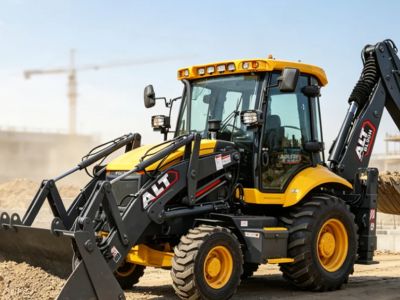
Evaluating durability is crucial when selecting machinery for extreme working conditions, especially in industries like construction, mining, and heavy-duty applications. Diesel wheel loaders are increasingly recognized for their robustness and long-lasting performance in such environments. This article will address key features that contribute to the durability of diesel wheel loaders, guide buyers on sourcing reliable suppliers, provide criteria for comparing loaders, and discuss performance maintenance and common issues with effective solutions
Key Features of Durable Diesel Wheel Loaders
When evaluating diesel wheel loader, several features contribute to their durability. First, the structural integrity is vital; heavy-duty frames constructed from high-strength steel offer resistance to bending and deformation under heavy loads. A well-designed frame not only supports the machine's weight but also enhances stability on uneven terrain
Secondly, advanced hydraulic systems play a critical role. Loaders equipped with high-performance hydraulic components can withstand extreme pressure and provide smooth operation, even under challenging conditions. Look for loaders with reinforced hoses and heavy-duty cylinders to ensure longevity in demanding environments
Additionally, the choice of engine and transmission affects durability. Diesel engines are favored for their torque and fuel efficiency, which are essential for heavy lifting and long operational hours. A robust transmission system that allows for smooth gear changes enhances performance and reduces wear on moving parts
Finally, effective maintenance features, such as easy access to critical components for regular servicing, can significantly extend the machine's lifespan. Regular maintenance reduces the risk of unexpected failures and ensures that the loader operates at optimal efficiency
Where to Source Reliable Suppliers for Diesel Wheel Loaders in Bulk
Sourcing reliable suppliers for backhoe wheel loader diesel requires careful consideration and due diligence. Start by identifying manufacturers with a solid reputation in the construction industry, particularly those with a history of exporting to various markets. Look for companies that have established global distribution networks, as this often indicates reliability and experience in meeting international standards
Next, evaluate the manufacturing capabilities of potential suppliers. A manufacturer with modern assembly lines and advanced production equipment, such as CNC machines and welding robots, is likely to produce high-quality machines. Additionally, confirm whether the supplier has certifications that ensure compliance with safety and quality standards
Engage with suppliers directly to discuss their MOQ (minimum order quantity) policies, lead times, and customization options. Be sure to request references or testimonials from previous clients to gauge their experience and satisfaction with the supplier's products and services
Finally, consider visiting the supplier’s factory if possible. This hands-on approach can provide insight into their production processes, quality control measures, and overall operational efficiency
How to Compare Diesel Wheel Loaders for Extreme Working Conditions
When comparing diesel large wheel loader for extreme working conditions, several criteria should be prioritized. Start by assessing the specifications of each model, focusing on load capacity, engine power, and hydraulic performance. A loader’s load capacity should match the typical weights it will handle in daily operations
Next, consider the machine’s weight and dimensions. A heavier machine often provides better stability, but it is essential to ensure that it fits within the operational space and does not exceed transport limitations
Evaluate the durability features, such as frame construction, hydraulic system quality, and engine reliability. It’s also important to check the warranty and after-sales support offered by the manufacturer. A robust warranty indicates the manufacturer's confidence in their product's durability
Reviews and performance data from existing customers can provide valuable insights into how the loaders perform in real-world applications. Look for feedback specifically related to maintenance requirements, downtime, and any common issues experienced by users
Finally, consider the total cost of ownership, which includes purchase price, maintenance costs, fuel efficiency, and potential resale value. A seemingly lower initial price might not be cost-effective in the long run if the machine requires frequent repairs or has high operating costs
Ensuring Optimal Performance
To ensure optimal performance of diesel wheel loaders in extreme conditions, regular maintenance is crucial. Establish a routine maintenance schedule that includes checking fluid levels, inspecting hydraulic systems, and monitoring tire condition. This proactive approach can help identify potential issues before they lead to significant failures
Training operators in proper usage techniques is equally important. Operators should be familiar with the machine’s capabilities and limitations to avoid overloading or improper handling, which can lead to premature wear or damage
Utilizing genuine spare parts for repairs and replacements is essential for maintaining performance. Aftermarket parts may be cheaper, but they can compromise the machine's integrity and longevity. Always verify that replacement parts meet the manufacturer’s specifications
Lastly, keep an eye on operating conditions. If the loader is frequently used in particularly harsh environments, such as extreme temperatures or abrasive materials, consider implementing additional protective measures, such as dust filters and engine coolers, to enhance durability
Common Problems with Diesel Wheel Loaders and Effective Solutions
Despite their durability, diesel wheel loaders can encounter several common problems. One frequent issue is hydraulic system failure, which can result from contamination or improper maintenance. To mitigate this, ensure regular checks of hydraulic fluid quality and replace filters as needed. Implementing a fluid contamination control program can also help maintain system integrity
Another common problem is engine overheating, which can occur during prolonged use in extreme conditions. Ensuring that the cooling system is functioning correctly and that air filters are clean can prevent this issue. Operators should be trained to monitor engine temperature and take preventative measures, such as allowing the engine to cool down during extended use
Tire wear is also a concern in extreme working environments, especially when operating on rough terrain. Regularly inspecting tire condition and pressure can help extend their lifespan. Additionally, consider using specialized tires designed for the specific conditions in which the loader will operate
Finally, be aware of electrical system issues, which can lead to operational failures. Regularly inspect wiring and connections for wear or damage, and ensure that electrical components are properly maintained
By understanding these common problems and implementing effective solutions, buyers can significantly enhance the reliability and longevity of their diesel wheel loaders in extreme working conditions