
 EN
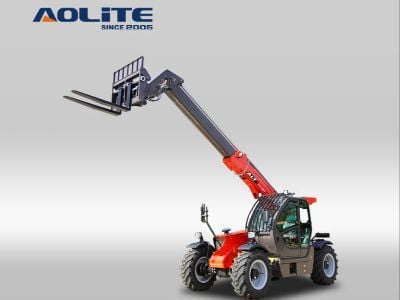
When sizing a AOLITE-made diesel wheel loader for quarry, port, and heavy material handling applications, several key factors come into play. These loaders are crucial for efficient operations in heavy-duty environments, and ensuring the right selection can significantly impact productivity and cost-efficiency. This article addresses the primary concerns of B2B buyers, including performance specifications, application suitability, and common issues encountered during operation, providing insights that will aid in making informed purchasing decisions
Where to Source Reliable Diesel Wheel Loaders for Bulk Orders
Sourcing AOLITE-made diesel compact wheel loader requires careful consideration of suppliers who can deliver quality and reliability. Look for manufacturers with a strong reputation in the construction industry, established since 2005, like ours, which has a robust factory setup and a global distribution network. Verify that the supplier has experience in producing diesel loaders and can provide necessary certifications and quality assurance processes
Consider suppliers with modern manufacturing capabilities, such as CNC machines and welding robots, which enhance precision and quality in production. Additionally, ensure that the company has a good export history and can navigate logistics effectively, especially if you're ordering in bulk for international delivery. Request samples or visit the manufacturing facility to inspect quality control processes in person
What to Look for in Diesel Wheel Loaders
When evaluating AOLITE's diesel wheel loader machine, several specifications must be prioritized:
Load Capacity: Assess the loader’s maximum load capacity, which directly affects productivity. For heavy material handling, look for loaders with capacities that can handle your specific needs, typically ranging from 1.5 to 5 tons for general applications
Engine Power: The engine's horsepower determines the loader's performance. Ensure the engine meets the demands of your operational environment, particularly in quarries or ports where heavy, dense materials are common
Hydraulic System: A robust hydraulic system is essential for lifting and moving heavy materials efficiently. Look for loaders with quick response times and high lifting capabilities
Durability and Build Quality: The materials used in construction significantly affect the loader's lifespan and performance. High-strength steel and reinforced components are preferable for harsh environments
Maneuverability: A compact design may be necessary for confined spaces, especially in port or quarry settings. Evaluate the turning radius and overall dimensions to ensure they fit your operational area
Common Problems with Diesel Wheel Loaders and Effective Solutions
Diesel wheel loaders can encounter several common issues that may affect their operation:
Hydraulic Failures: These can arise from leaks or pump failures, often due to lack of maintenance. Implementing a routine inspection schedule can help catch these issues early
Engine Problems: Overheating or starting issues may occur if the engine is not adequately maintained. Regular oil changes, coolant checks, and air filter replacements are essential for optimal performance
Tire Wear: Improper tire pressure or inadequate tread can lead to rapid wear, affecting maneuverability and load stability. Regularly check tire conditions and maintain recommended pressure levels
Electrical Failures: As with any heavy machinery, electrical systems can fail. Ensure that wiring and connections are inspected periodically, especially before heavy usage seasons
By proactively addressing these common problems, buyers can extend the lifespan of their equipment and reduce operational downtime
Applications of Diesel Wheel Loaders in Quarry and Port Environments
In quarry and port environments, diesel wheel loaders play a vital role in material handling and logistics. Their applications include:
Loading and Unloading: They are commonly used to load materials such as gravel, sand, and aggregates into trucks or onto conveyor belts, ensuring efficient transport to processing or shipping areas
Material Stockpiling: Loaders help in creating stockpiles of materials, which is essential for maintaining a continuous supply for operations. Their ability to maneuver in tight spaces makes them ideal for managing material flow
Site Preparation: In quarries, diesel wheel loaders assist in preparing sites by clearing debris and moving earth, which is vital for maintaining operational efficiency
Maintenance Tasks: They also support maintenance tasks, including moving heavy equipment or materials necessary for repairs and upkeep of the site
Understanding the specific applications of diesel wheel loaders in your operational context will allow you to select models that best meet your needs
Features That Matter for Buyers
When purchasing diesel wheel loaders, certain features should be prioritized to ensure optimal performance and longevity:
Advanced Technology: Look for loaders equipped with telematics systems that provide real-time data on performance, usage, and maintenance needs. This technology can help improve operational efficiency and reduce costs
Operator Comfort: An ergonomic design with adjustable seating, clear visibility, and intuitive controls enhances operator comfort and productivity. Consider models with climate control systems for varying weather conditions
Maintenance Accessibility: Features that simplify maintenance, such as easy access to engine compartments and hydraulic systems, can save time and reduce the total cost of ownership
Customizable Attachments: The ability to customize loaders with different attachments (such as forks, buckets, or grapples) increases their versatility and enables them to handle a wider range of tasks
Fuel Efficiency: With rising fuel costs, selecting a loader with efficient fuel consumption can lead to significant cost savings over time
By focusing on these key features, buyers can ensure that their investment will provide value and performance in demanding environments
Sizing a diesel wheel loader for quarry, port, and heavy material handling involves understanding the specific demands of your operation. By considering sourcing options, critical specifications, common issues, applications, and essential features, you can make informed decisions that enhance productivity and efficiency in your operations