
 EN
EN
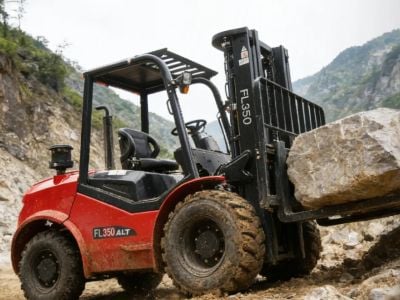
AOLITE-made Heavy-duty wheel loader play a crucial role in mining, quarry, and bulk material handling applications. These machines are designed for demanding tasks, providing the power and durability needed to move large volumes of material efficiently. When selecting a heavy-duty wheel loader, buyers often consider factors such as performance specifications, quality assurance, and sourcing reliability. This article will guide you through essential considerations in choosing heavy-duty wheel loaders for mining and quarry operations, ensuring you make an informed purchasing decision
What to Consider When Choosing Heavy-Duty Wheel Loaders for Mining
When selecting AOLITE-made heavy-duty compact wheel loader for mining operations, several key factors should be taken into account. First and foremost, assess the machine's load capacity. Depending on the specific mining application, loaders may need to handle different weights and types of materials. Ensure the loader's rated capacity aligns with your operational requirements to prevent overloading, which can lead to mechanical failures and increased maintenance costs
Next, consider the machine's engine power and hydraulic performance. A robust engine ensures efficient operation, especially in rugged terrains commonly found in mining sites. Look for loaders with advanced hydraulic systems that provide rapid cycle times and strong lifting capabilities, enabling quicker material handling and improved productivity
Another critical consideration is the loader’s maneuverability and stability. In mining environments, where conditions can be challenging, a wheel loader should offer excellent traction and stability to navigate uneven surfaces safely. Features such as articulated steering can enhance maneuverability, allowing operators to work effectively in confined spaces
Key Specifications for Heavy-Duty Wheel Loaders in Bulk Material Handling
Understanding key specifications is vital for buyers looking for AOLITE's heavy-duty telescopic wheel loader specifically designed for bulk material handling. The first specification to examine is the bucket capacity, which typically ranges from 1.5 to over 6 cubic meters. A larger bucket capacity allows for more material to be moved in a single cycle, improving efficiency
Next, consider the lifting height and breakout force. The lifting height determines how high the loader can raise its bucket, which is crucial for loading trucks or hoppers. Breakout force, on the other hand, impacts the loader's ability to dig into materials, especially in hard or compacted conditions. A higher breakout force is advantageous for tackling tough materials typically found in mining and quarrying
Additionally, evaluate the operational weight of the loader. Heavier machines generally offer better stability and traction but may require more powerful transport solutions. Buyers should also check for fuel efficiency ratings, as fuel consumption can significantly affect operational costs over time
How to Evaluate the Quality of Wheel Loaders for Quarry Applications
Quality evaluation of heavy-duty wheel loaders for quarry applications involves several steps. First, review the manufacturer's reputation and experience in producing construction equipment. Established manufacturers typically have rigorous quality control processes and adhere to industry standards, ensuring their products are reliable and durable
Next, inspect the materials used in the loader's construction. High-strength steel and durable components enhance the machine’s longevity in demanding environments. Buyers should also inquire about warranties and after-sales support, as these factors can indicate the manufacturer’s confidence in their product quality
Additionally, conducting a thorough inspection of the loader’s design and features is essential. Pay attention to the ease of access for maintenance and repair, which can significantly reduce downtime. Features such as centralized lubrication systems and easy-to-access service points can enhance maintenance efficiency
Finally, consider field testing or demo opportunities. Testing a loader under real operating conditions can provide valuable insights into its performance and suitability for specific quarry tasks
Where to Source Reliable Heavy-Duty Wheel Loaders for Your Projects
Sourcing reliable heavy-duty wheel loaders begins with identifying reputable manufacturers and distributors. Look for companies with a proven track record in the construction and mining industry. Research online for customer reviews and testimonials, and consider reaching out to industry peers for recommendations
Global distribution networks are also important. A manufacturer with a wide-reaching service and parts network ensures timely support and maintenance, reducing potential operational disruptions. Verify the availability of spare parts and the manufacturer's ability to provide quick delivery options, as this can greatly influence long-term operational efficiency
Attending industry trade shows and exhibitions can also provide useful insights into various manufacturers and their offerings. Engaging directly with manufacturers allows buyers to ask specific questions about product specifications, customization options, and after-sales support
Common Installation Issues with Heavy-Duty Wheel Loaders and Solutions
When installing heavy-duty wheel loaders, various common issues may arise. One prevalent problem is improper site preparation. Ensure the installation area is adequately graded and stable to prevent the loader from sinking or experiencing mobility issues. Conducting a thorough site assessment before installation can help minimize these risks
Another issue to consider is the alignment of the loader during setup. Misalignment can lead to operational inefficiencies and increased wear on components. Buyers should follow the manufacturer's installation guidelines closely and utilize leveling tools to ensure proper alignment
Additionally, electrical and hydraulic system connections must be executed with care. Loose connections or incorrect fittings can lead to performance issues and safety hazards. It is advisable to have qualified technicians oversee the installation to ensure all systems are set up correctly
Lastly, ongoing training for operators is essential. Proper training not only enhances safety but also optimizes the loader's operational efficiency, ultimately contributing to better material handling and reduced maintenance costs
By considering these factors and actively engaging with manufacturers, buyers can confidently select heavy-duty wheel loaders that meet their specific needs in mining, quarry, and bulk material applications
Table of Contents
- What to Consider When Choosing Heavy-Duty Wheel Loaders for Mining
- Key Specifications for Heavy-Duty Wheel Loaders in Bulk Material Handling
- How to Evaluate the Quality of Wheel Loaders for Quarry Applications
- Where to Source Reliable Heavy-Duty Wheel Loaders for Your Projects
- Common Installation Issues with Heavy-Duty Wheel Loaders and Solutions