
 EN
EN
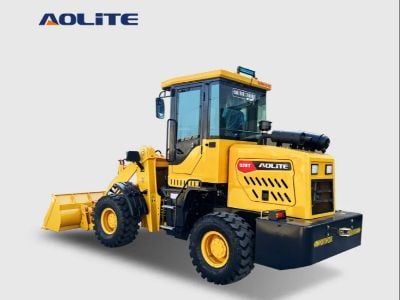
The diesel wheel loader is an essential piece of equipment for construction and industrial fleets that cannot rely on charging infrastructure. This heavy machinery combines the power of diesel engines with advanced engineering to deliver high performance in various applications, making it a reliable choice for heavy-duty tasks. We will explore how diesel wheel loader enhance operational efficiency, the cost factors to consider for bulk orders, common problems and their solutions, installation guidance for optimal performance, and how to choose the right model for your fleet needs.
How Diesel Wheel Loaders Enhance Operational Efficiency in Projects?
Diesel wheel loaders are designed to improve productivity and efficiency on job sites. Their robust engines provide significant power and torque, enabling them to handle heavy loads and perform demanding tasks such as lifting, transporting, and loading materials. This capability is particularly beneficial in environments where electric alternatives may struggle due to inadequate charging infrastructure.
The versatility of diesel wheel loaders allows for a range of attachments, such as forks, buckets, and grapples, which can be utilized for different tasks. This adaptability means that a single machine can serve multiple functions, reducing the need for additional equipment and lowering operational costs. Additionally, their high fuel efficiency means that they can operate longer between refueling, minimizing downtime.
Moreover, advanced features such as automatic transmission systems and operator-friendly controls enhance ease of use, allowing operators to work more efficiently and with greater precision. This not only boosts productivity but also contributes to safer working conditions by reducing the potential for operator fatigue.
Cost Factors to Consider for Bulk Orders of Diesel Wheel Loaders
When considering bulk orders of diesel wheel loaders, it’s crucial to examine several cost factors. First, the initial purchase price can vary significantly depending on the model and specifications. Buyers should assess their operational needs to select the most suitable model, as investing in a higher-spec machine may yield better long-term savings through enhanced performance and durability.
Beyond the purchase price, maintenance costs are another critical factor. Diesel wheel loader require regular servicing and parts replacement, which can add to overall ownership costs. Buyers should inquire about the availability of spare parts and the warranty offered by the manufacturer to mitigate unexpected expenses.
Additionally, consider the total cost of ownership, which includes fuel consumption, insurance, and potential resale value. Diesel engines are generally more powerful and may offer better fuel economy compared to their electric counterparts, especially in challenging environments. Thus, a thorough cost analysis should encompass all these aspects to ensure that the investment aligns with the fleet’s operational budget.
Common Problems with Diesel Wheel Loaders and Their Solutions
Like any heavy machinery, diesel wheel loaders can encounter issues that may affect their performance. Some common problems include overheating, hydraulic system failures, and electrical faults.
Overheating can often be attributed to inadequate cooling systems or low coolant levels. Regular checks and maintenance of the cooling system can prevent this issue. Additionally, ensuring that the radiator is clean and unobstructed will help maintain optimal operating temperatures.
Hydraulic system failures usually stem from leaks or worn hoses. Regular inspections and timely replacements of hydraulic components are essential to maintain efficient operation. It is also advisable to use high-quality hydraulic fluids as recommended by the manufacturer to enhance system performance.
Electrical faults can arise from corroded connections or faulty wiring. Implementing a routine electrical system check can help identify potential issues before they escalate. It is best practice to consult the manufacturer's service guidelines for troubleshooting and repairs to ensure compliance with warranty conditions.
Installation Guidance for Optimal Performance of Diesel Wheel Loaders
Proper installation and setup of diesel wheel loaders are critical for achieving optimal performance. Before installation, ensure that the site is prepared to accommodate the machine’s size and operational requirements. This includes assessing ground stability, preparing access routes, and ensuring adequate space for maneuvering.
Once on-site, it’s essential to follow the manufacturer's guidelines for initial setup and configuration. This may involve calibrating the machine settings to match specific operational tasks, such as load capacity and hydraulic pressure settings.
Training operators on the proper use and maintenance of the loader is equally important. Operators should be familiar with the controls, safety features, and routine maintenance checks, which can significantly impact the machine's longevity and performance.
Additionally, regular inspections after installation should be scheduled to monitor performance and address any emerging issues promptly. This proactive approach will help maintain the loader in peak condition, ensuring it meets the demands of the project.
Which Model Suits Your Fleet Needs?
Selecting the right model of diesel wheel loader for your fleet is crucial for maximizing efficiency and productivity. Factors to consider include the specific tasks the loader will perform, the types of materials being handled, and the operational environment.
For instance, if the machine will be primarily used for lifting heavy loads, models with higher load capacities and powerful engines should be prioritized. Conversely, if the loader will be used in tight spaces or for lighter tasks, a more compact model may be more suitable.
Furthermore, consider the attachment options available for each model. Some loaders are designed for versatility and can accommodate a wide range of attachments, while others may be more specialized. Understanding the types of attachments you may require will influence your choice.
Lastly, evaluate the machine’s fuel efficiency, power output, and maintenance requirements. A thorough comparison of specifications across different models can help ensure that the selected loader machine aligns with your fleet's operational needs and budget constraints.
In summary, understanding the nuances of diesel wheel loaders, including their operational benefits, cost considerations, common issues, installation practices, and model selection, can significantly aid purchasing managers and fleet operators in making informed decisions. By prioritizing these factors, you can enhance your fleet's efficiency and reliability, ensuring that your projects run smoothly even without access to electric charging infrastructure.
Table of Contents
- How Diesel Wheel Loaders Enhance Operational Efficiency in Projects?
- Cost Factors to Consider for Bulk Orders of Diesel Wheel Loaders
- Common Problems with Diesel Wheel Loaders and Their Solutions
- Installation Guidance for Optimal Performance of Diesel Wheel Loaders
- Which Model Suits Your Fleet Needs?