
 EN
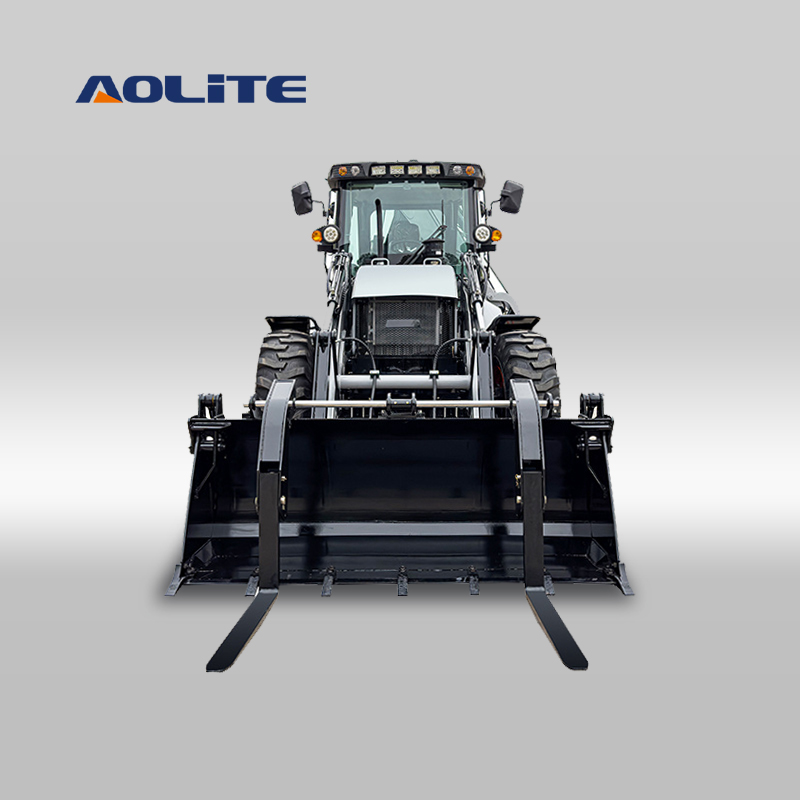
Heavy-duty backhoe loaders equipped with diesel engines are essential for efficiently excavating dense terrain in various construction projects. As a B2B buyer, you may have concerns about performance, durability, and suitability for specific applications. This article will guide you through critical considerations for selecting, evaluating, and purchasing these powerful machines, ensuring you make informed decisions that meet your operational needs.
What to Consider When Choosing Heavy-Duty Backhoe Loaders for Excavation
When selecting heavy-duty backhoe loader for excavating dense terrain, several factors should be considered:
Engine Power: Diesel engines are known for their robust performance and longevity. Look for models with adequate horsepower (HP) to handle the specific demands of dense soil or rocky environments. Generally, a higher HP rating translates to better digging and lifting capabilities.
Hydraulic System: The efficiency of the hydraulic system impacts the loader's performance. A powerful hydraulic system will enable the machine to operate attachments more effectively and handle heavy loads without compromising performance.
Weight and Stability: Heavier backhoe loaders provide better stability, especially when operating on uneven surfaces or while performing heavy lifting tasks. Ensure the model you choose has a suitable weight-to-power ratio for your applications.
Attachment Versatility: Consider the types of attachments compatible with the backhoe loader. A machine that supports multiple attachments (e. g., buckets, augers, and hammers) increases its utility across various tasks, making it a more valuable investment.
Operator Comfort and Safety: Look for features that enhance operator comfort, such as ergonomic seating, visibility, and user-friendly controls. Safety features like roll-over protection systems (ROPS) and seat belts are also essential in ensuring a safe working environment.
How to Evaluate the Quality of Heavy-Duty Backhoe Loaders
Evaluating the quality of heavy-duty backhoe loaders involves examining several key aspects:
Build Quality and Materials: High-quality materials contribute to the durability and longevity of the backhoe loader. Check for reinforced frames, quality welding, and corrosion-resistant surfaces to ensure the machine can withstand harsh operating conditions.
Manufacturing Processes: Understanding the manufacturing capabilities of the supplier can provide insight into the quality of the equipment. For instance, advanced production techniques, such as CNC machining and robotic welding, often result in higher precision and consistency.
Certification and Compliance: Ensure that the backhoe loader meets relevant safety and quality standards. Certifications from recognized organizations can help validate the manufacturer's commitment to quality.
Warranty and Service Support: A robust warranty reflects the manufacturer's confidence in the product's quality. Assess the warranty terms and ensure that the manufacturer offers reliable service and support, including access to spare parts and maintenance services.
Field Testing: If possible, request a demonstration or references from previous buyers. Observing the equipment in action can provide valuable insights into its performance and reliability under real working conditions.
Wholesale Purchasing Guide for Backhoe Loaders with Diesel Engines
When preparing to purchase heavy-duty backhoe loader machine in bulk, consider the following guidelines:
Specify Your Requirements: Clearly outline your requirements regarding model specifications, engine power, load capacity, and attachments needed. This will enable suppliers to provide accurate quotations.
Request Quotations from Multiple Suppliers: Reach out to several manufacturers or distributors for competitive pricing. Ensure that the quotes include all relevant costs, such as shipping, taxes, and any additional fees.
Understand Minimum Order Quantities (MOQ): Many manufacturers have minimum order quantities for wholesale purchases. Clarify these requirements upfront to avoid any misunderstandings.
Negotiate Terms: Be prepared to negotiate payment terms, delivery schedules, and warranty coverage. Establishing a good relationship with the supplier can lead to better terms and support in the long run.
Evaluate Supplier Reliability: Research the supplier's reputation within the industry. Look for reviews, testimonials, and any certifications that can confirm their reliability and commitment to quality.
Top Applications for Diesel-Powered Backhoe Loaders in Construction
Diesel-powered backhoe loaders are versatile machines that excel in various construction applications, including:
Excavation: These machines are ideal for digging foundations, trenches, and ditches. Their powerful hydraulic systems allow for efficient excavation in dense or rocky soils.
Material Handling: Backhoe loaders can be equipped with forks or buckets, making them suitable for lifting and transporting heavy materials around job sites.
Road Construction: They are used for grading and leveling surfaces, preparing sites for asphalt or concrete paving, and digging out materials for roadways.
Demolition: With appropriate attachments, backhoe loaders can effectively demolish structures and remove debris, making them valuable in urban construction projects.
Landscaping: These machines can be used for grading, planting, and moving large quantities of soil or mulch in landscaping projects.
Installation Tips for Heavy-Duty Backhoe Loaders in Challenging Conditions
Installing heavy-duty backhoe loaders in challenging conditions requires careful planning and execution. Here are some tips to ensure successful installation:
Assess Site Conditions: Before installation, evaluate the terrain and soil conditions. Identify any potential challenges, such as soft soil or steep slopes, that may affect the loader's stability.
Prepare the Ground: Level the installation area to provide a stable foundation for the backhoe excavator loader. Use compacted gravel or a similar material to enhance stability and prevent sinking.
Follow Manufacturer Guidelines: Adhere to the manufacturer’s installation instructions regarding setup, hydraulic connections, and safety protocols. This ensures optimal performance and longevity of the machine.
Conduct Pre-Operation Checks: Before using the backhoe loader, perform thorough pre-operation checks, including inspecting fluid levels, hydraulic connections, and safety features. Address any issues before commencing work.
Train Operators: Ensure that operators are adequately trained on the specific model and its functions. Proper training can minimize the risk of accidents and enhance operational efficiency.
By considering these factors and following best practices, you can confidently choose and utilize heavy-duty backhoe loaders with diesel engines for your excavation and construction projects.
Table of Contents
- What to Consider When Choosing Heavy-Duty Backhoe Loaders for Excavation
- How to Evaluate the Quality of Heavy-Duty Backhoe Loaders
- Wholesale Purchasing Guide for Backhoe Loaders with Diesel Engines
- Top Applications for Diesel-Powered Backhoe Loaders in Construction
- Installation Tips for Heavy-Duty Backhoe Loaders in Challenging Conditions